If your breakouts sit along your jawline, chin and neck, arrive on a schedule, and shrug off the face wash that cleared your teenage skin, you are probably dealing with hormonal acne. It behaves differently from the acne most products are designed for, which is why so many routines stall.
What makes it hormonal
Androgens tell the sebaceous glands how much oil to produce. When those hormones shift, oil production shifts with them. The extra sebum mixes with dead skin cells inside the follicle, bacteria that normally live on the skin multiply in that environment, and the follicle wall inflames. The result is the deep, tender bump that sits under the surface for a week or more instead of coming to a head in a day or two.
Because the trigger is internal, the pattern tends to be predictable:
- Lesions cluster on the lower third of the face, along the jaw and chin
- They flare in the week before a period, and often settle a few days after it starts
- They are cystic and sore rather than surface whiteheads
- They recur in the same handful of spots
Coming off hormonal birth control, polycystic ovary syndrome, thyroid conditions and periods of sustained stress can all shift the same balance. Stress raises cortisol, and cortisol nudges oil production up too, which is why a difficult month often shows on your skin a fortnight later.
Why scrubbing harder backfires
The instinct is to strip the oil. Strong foaming cleansers, alcohol toners and physical scrubs all do that, and skin reads the sudden dryness as a signal to produce more oil, not less. You also damage the barrier that keeps irritants out, so the inflammation you are trying to calm gets worse.
The more useful approach is to clean thoroughly but gently, keep the barrier intact, and treat the inflammation directly. A cleanser should leave your skin comfortable, not tight and squeaky.
A routine that gives skin a chance
Consistency matters more than the number of steps. Four things, done every day for at least eight weeks:
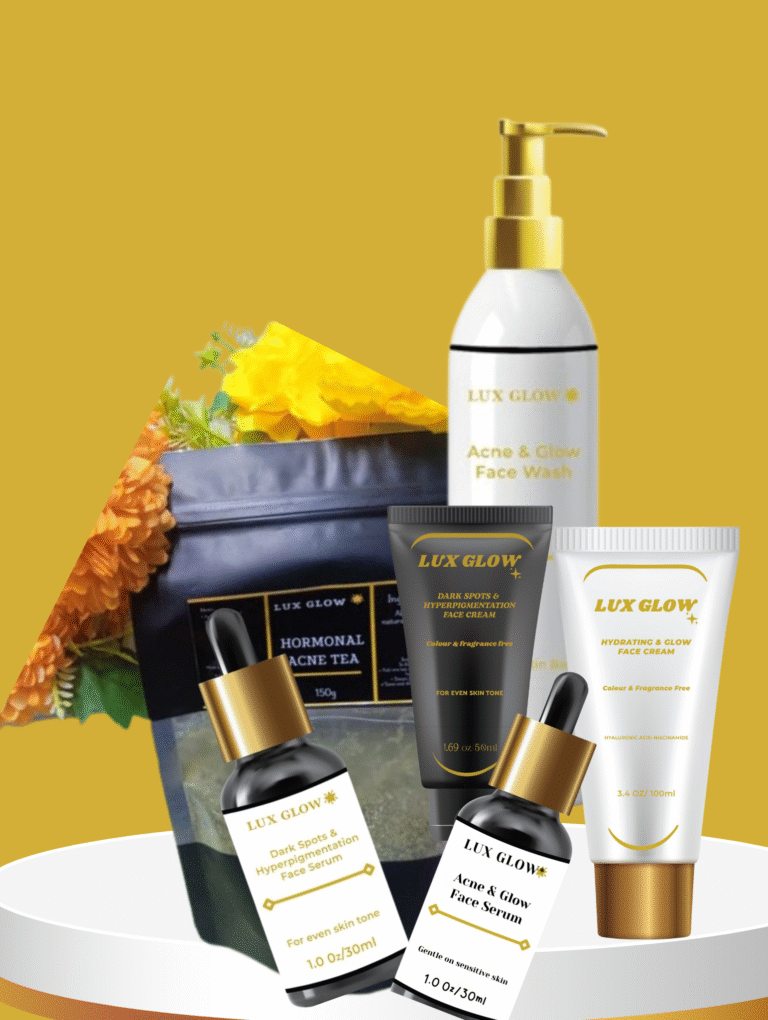
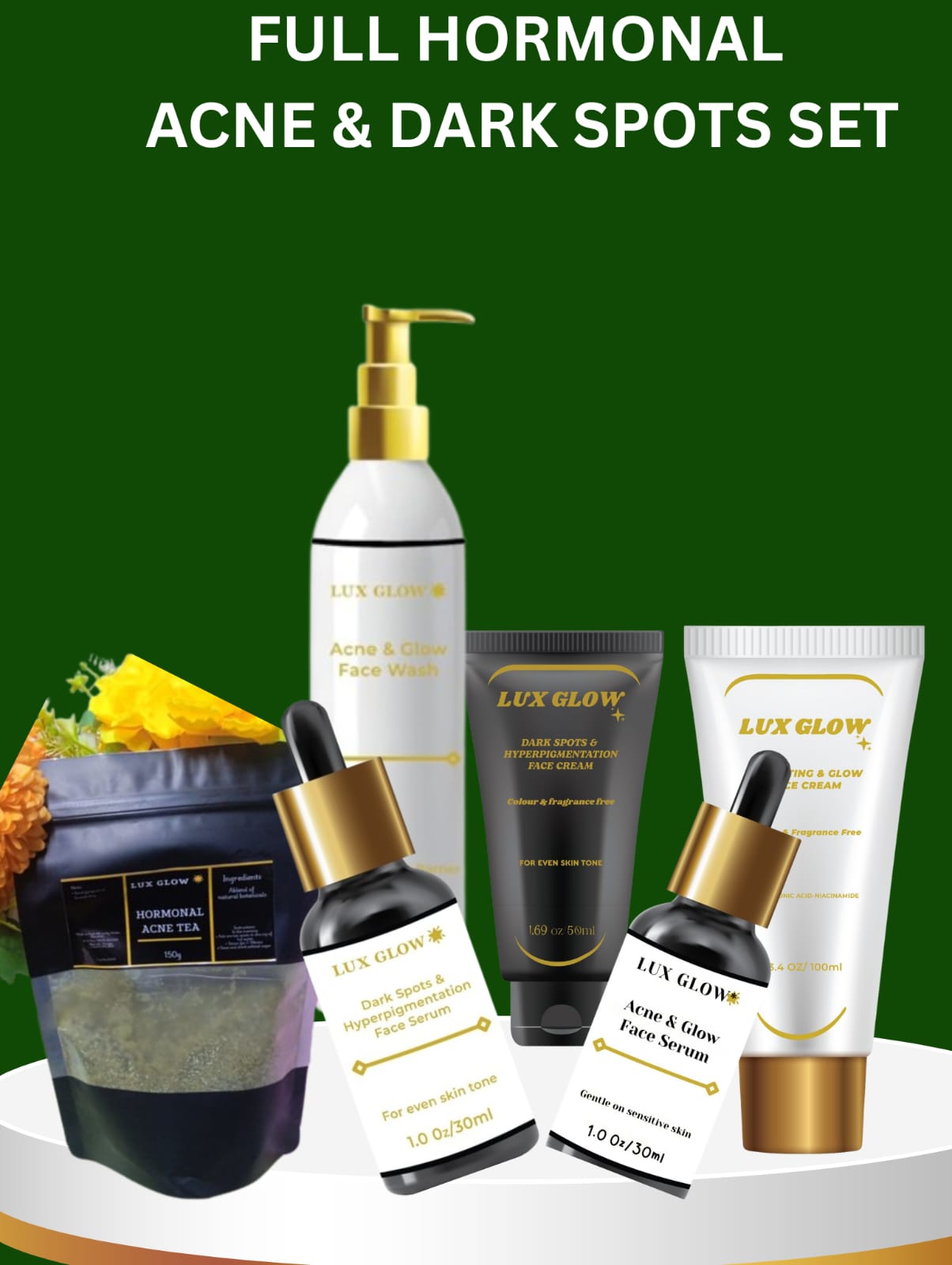
- Cleanse twice daily. Morning and night, with lukewarm water. Our Acne and Glow Face Wash is formulated to lift oil without stripping.
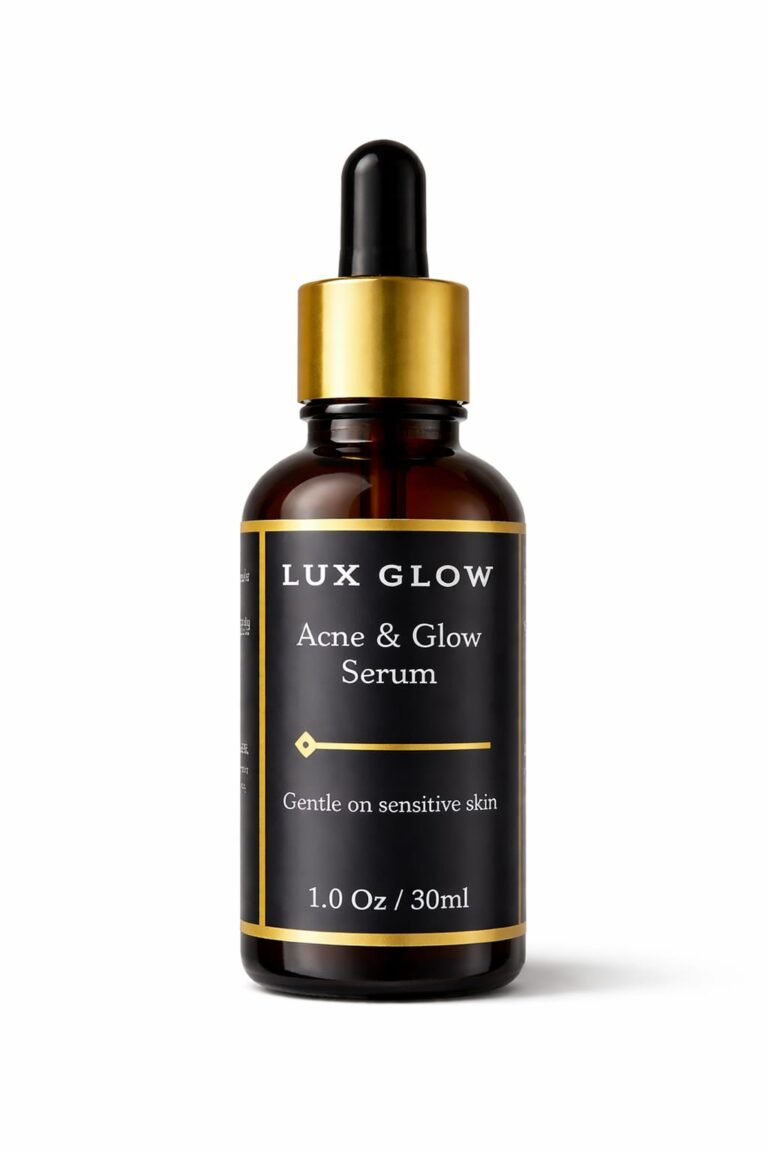
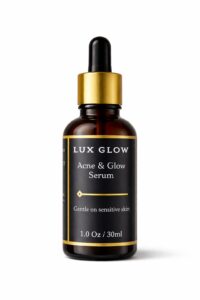
- Treat, do not attack. A targeted serum on damp skin. The Acne & Glow Face Serum is designed for congested, inflammation-prone skin.
- Moisturise anyway. Oily skin still needs water. Skipping this step is the most common mistake we see.
- Leave spots alone. Picking a cystic lesion turns a two-week bump into a two-year mark.
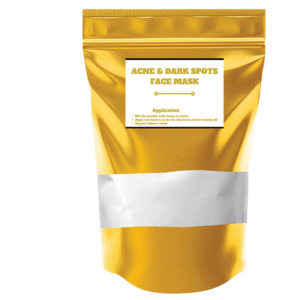
Once or twice a week, a clay or treatment mask helps draw out congestion. Our Acne, Dark Spots and Hyperpigmentation Face Mask does double duty on both the active breakouts and the marks they leave.
Habits that move the needle
None of these replace a routine, but they remove obstacles:
- Change your pillowcase twice a week
- Wipe your phone screen, since it spends a lot of time against your jaw
- Wash your face after sweating rather than letting it dry on the skin
- Protect from sun daily, because UV darkens the marks acne leaves behind
- Watch dairy and high-sugar foods for a few weeks and see whether your own skin responds. The evidence is mixed and individual.
Some people find a herbal tea a useful daily ritual alongside their routine. Our Hormonal Acne Tea is blended for that purpose. Treat it as one supporting habit among several rather than a replacement for topical care.
Give it eight weeks
Skin cells take roughly a month to turn over, and a new routine needs two of those cycles before you can fairly judge it. Changing products every fortnight means you never get a clean read on any of them. Take a photo in the same light on day one, then again at week four and week eight.
When to see someone
Persistent cystic acne can scar, and scarring is far harder to treat than the acne itself. Book an appointment with a dermatologist or your doctor if you have deep painful nodules, if marks are already forming, if your breakouts came on suddenly alongside irregular periods or unusual hair growth, or if eight weeks of consistent care has changed nothing. Prescription options exist, and there is no prize for waiting.
This article is general information, not medical advice. If a product stings, burns or causes a rash, stop using it.