Buying good products and applying them in the wrong order, or all on the same night, is how most people end up with a stinging, flaking face and a drawer full of things they have decided do not work. Layering is not complicated, but it does have rules.
The order
Thinnest to thickest. A watery product cannot push through an oil-based cream, so anything you apply after a heavy moisturiser is mostly sitting on top of it.
- Cleanser
- Toner or essence, if you use one
- Serum, which is where most active ingredients live
- Moisturiser
- Facial oil, if you use one, which goes last because nothing penetrates through it
- Sunscreen in the morning, always the final step
A practical detail: apply serum to slightly damp skin. Humectants such as glycerin and hyaluronic acid pull water into the skin, and if there is no water available they will pull it from deeper layers, which leaves you drier than when you started.
What not to combine
Most ingredient-conflict advice online is overstated, but a few combinations genuinely cause trouble.
- Retinoids and exfoliating acids on the same night. Both accelerate turnover. Together they usually mean irritation. Alternate nights.
- Multiple exfoliants at once. A scrub, an acid toner and an exfoliating cleanser in one routine is three times the exfoliation you think you are doing.
- Benzoyl peroxide and retinoids simultaneously. Use one in the morning and the other at night.
Vitamin C and niacinamide are frequently listed as incompatible. In practice, at the concentrations in finished consumer products, most people use them together without any issue. If yours flushes, separate them morning and evening.
The real problem is usually frequency
Over-exfoliation is the most common self-inflicted skin problem we hear about. It is easy to do, because the first week feels wonderful. Skin looks smoother and brighter, so the reasonable conclusion is that more would be better.
What follows is a barrier that no longer holds water in or irritants out: tightness, shine that is not oil but inflammation, stinging from products that were fine last month, and small rough flakes that tempt you to exfoliate again.
If that sounds familiar, stop all actives. Cleanse gently, moisturise, use sunscreen, and do nothing else for two to three weeks. It feels like giving up. It is the fastest route back.
Building up without a reaction
Start with the foundation and add one active at a time:
- Weeks 1 to 4: cleanser, moisturiser, sunscreen. Nothing else.
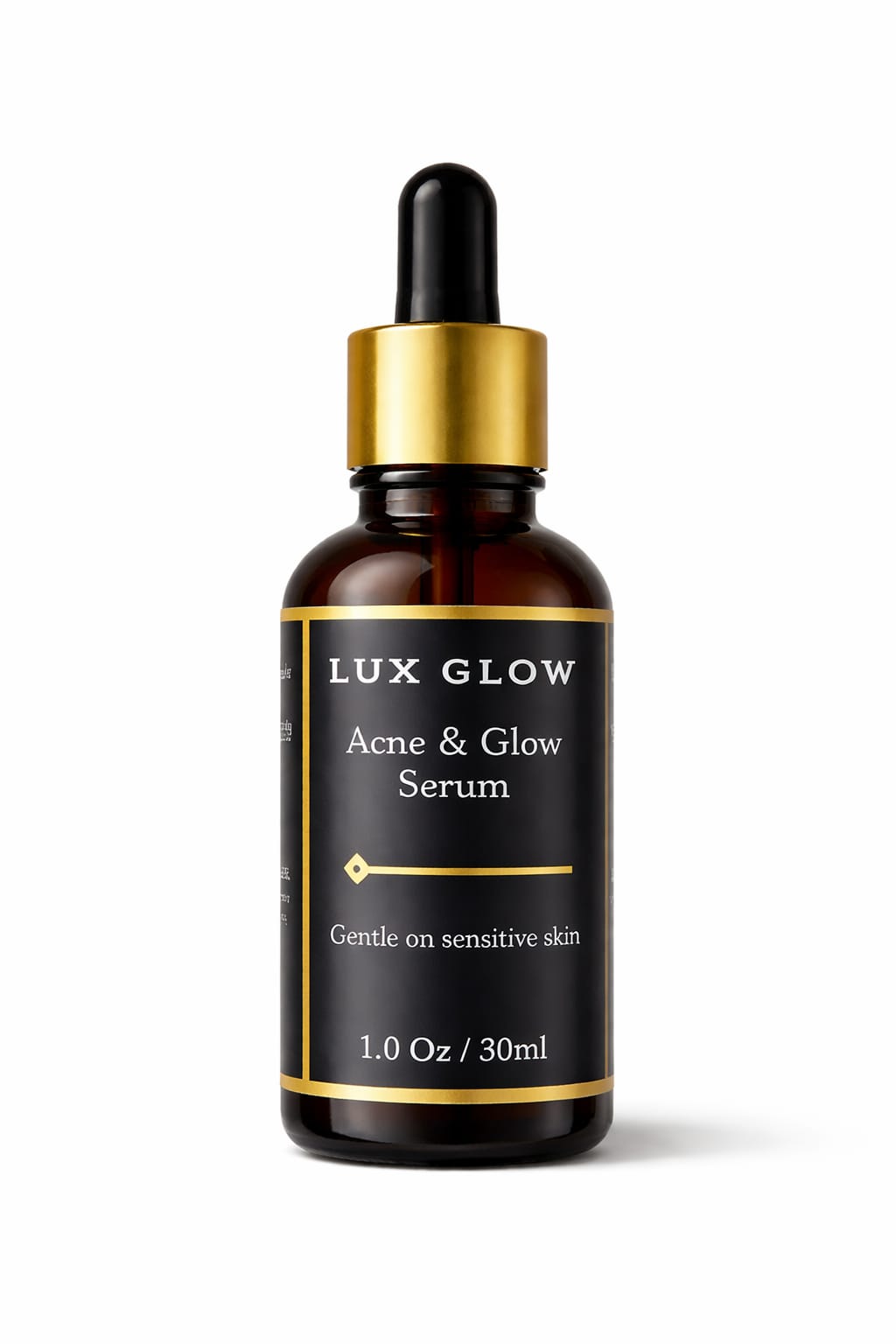
- Weeks 5 to 6: add one serum, every other day at first. The Acne & Glow Face Serum is a reasonable place to begin.
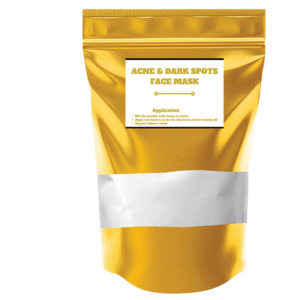
- Weeks 7 onwards: if skin is calm, add a weekly treatment such as the Acne, Dark Spots and Hyperpigmentation Face Mask.
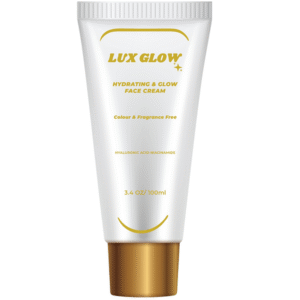
Pair the serum with a cleanser that does not strip, such as our Acne and Glow Face Wash, and a moisturiser that keeps the barrier comfortable, such as the Hydrating and Glow Cream.
Purging or reacting?
Products that speed cell turnover can bring existing congestion to the surface faster, which looks like a breakout. That is purging, and it happens in the areas where you normally break out, clears within four to six weeks, and produces the usual spots.
A reaction shows up in places you do not normally break out, appears as small itchy bumps, redness or a rash, and does not settle. It gets worse with continued use. If in doubt, stop for a week. Purging resumes its improvement when you restart. A reaction returns as a reaction.
How long to wait between layers
Less time than the internet suggests. Thirty seconds to a minute, enough for each layer to absorb rather than pill under the next, is plenty for most routines. The exception is any product with specific instructions about applying to dry skin, which usually means waiting a few minutes after cleansing.
Keep it small
A three-step routine done every day beats an eight-step routine done twice a week. Skin responds to consistency far more than it responds to the number of bottles on the shelf.
General information only, not medical advice. Patch-test new products and stop using anything that stings, burns or causes a rash.