Most skincare advice online is written for temperate climates and northern winters. Kenya is a different environment. Nairobi sits at roughly 1,795 metres, close to the equator, dry for long stretches and then wet for weeks. A routine built for London will not behave the same way here.
Three things about this climate
UV is high all year. Altitude thins the atmosphere and proximity to the equator means the sun sits nearly overhead. There is no low-UV season. Cool, overcast days still carry meaningful UV, which catches out a lot of people who associate sun damage with heat.
Humidity swings hard. The dry months pull moisture out of skin and leave it tight and flaky. The long rains push humidity up, and skin that was flaking in February is congested in April. A routine fixed in place all year will be wrong for part of it.
Dust is constant. Traffic and dry-season dust settle on skin through the day and mix with sweat and sebum. That matters for how you cleanse, particularly in the evening.
The routine
Morning
- Cleanse. A light wash to clear overnight oil. On very dry mornings, water alone is enough.
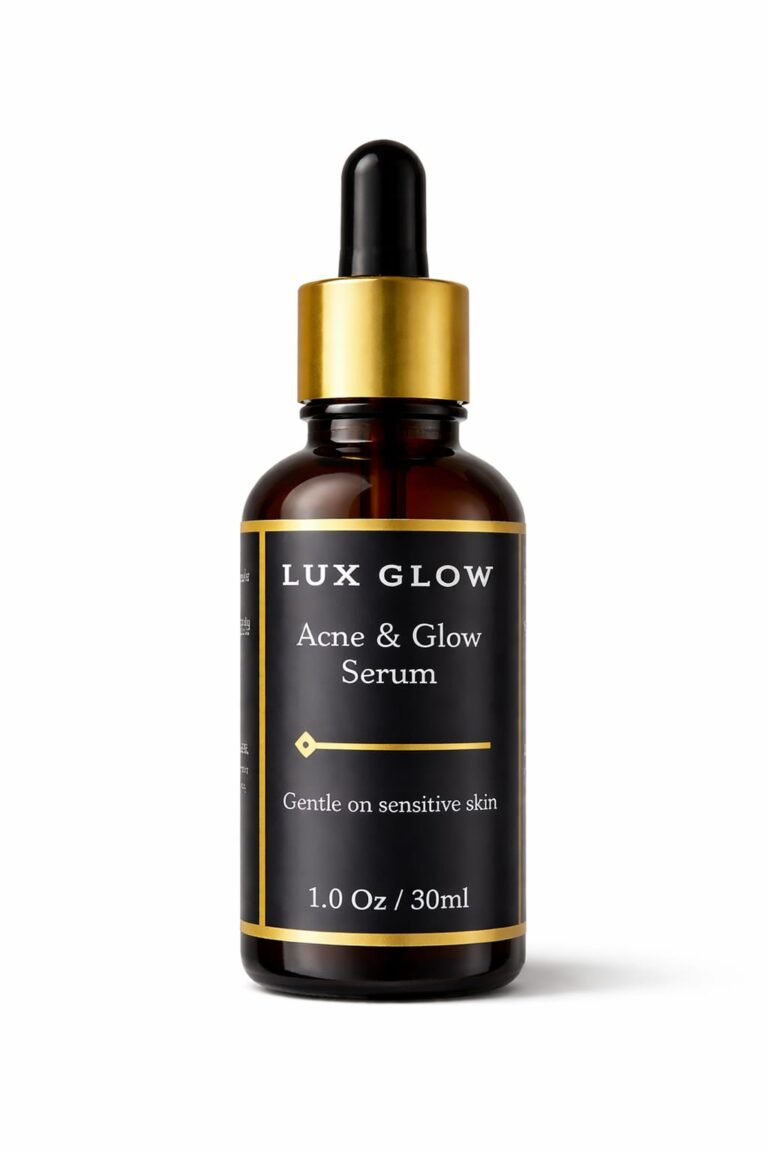
- Serum. Antioxidants on damp skin, before anything heavier.
- Moisturise. Even oily skin needs this. Lighter in the wet months, richer in the dry.
- Sunscreen. Every day, including indoors near windows. This is the step that does the most work.
Evening
- Cleanse properly. This is where the day’s dust, sweat, sunscreen and makeup come off. If you wear sunscreen or makeup, cleanse twice: once to break it down, once to clean the skin underneath.
- Treat. Whatever you are working on, whether congestion, pigment or texture.
- Moisturise. Slightly richer than the morning.
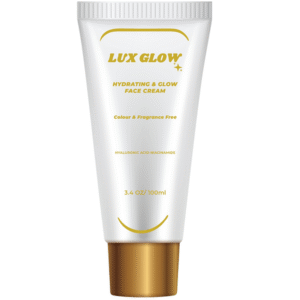
Our Acne and Glow Face Wash handles the evening double cleanse without stripping, and the Hydrating and Glow Cream works as the moisturiser at either end of the day.
Adjusting by season
Rather than owning two full routines, change one or two things:
- Dry months: heavier moisturiser, less frequent exfoliation, and apply moisturiser to slightly damp skin to trap water
- Wet months: lighter moisturiser, more thorough evening cleanse, and watch for congestion along the hairline and jaw
Skin that suddenly stings from a product it tolerated last month is usually telling you the barrier is compromised, not that you need something stronger. Pull back to cleanser and moisturiser for a week and let it recover.
Hard water
Piped water in parts of the country carries enough mineral content to leave a film that some people find drying. If your skin feels tight immediately after washing regardless of which cleanser you use, try a final rinse with filtered or boiled and cooled water for a fortnight and see whether it changes anything. It helps some people and does nothing for others, so treat it as an experiment rather than a rule.
Introduce one thing at a time
The most common reason a routine fails is that four new products arrived on the same day. When something reacts you have no way of knowing which one caused it, and the usual response is to abandon the whole set.
Add one product. Use it for two weeks. If skin is calm, add the next. It is slower on paper and much faster in practice.
What a good routine feels like
Comfortable after cleansing, not tight. No stinging on application. No flaking a week in. Gradual, unglamorous improvement rather than a dramatic first week followed by irritation.
If you are starting from nothing, start with three steps, which are cleanse, moisturise and sun protection, and run them for a month before adding anything active. That foundation alone resolves a surprising number of complaints.
General information only. If you have a persistent skin condition, see a dermatologist rather than working through it by trial and error.