On deeper skin tones, the breakout is rarely the problem that lingers. The mark it leaves behind is. A spot that lasted five days can leave a brown patch that stays for eight months, and that patch is what most people are actually trying to treat.
Two different marks, two different treatments
Telling them apart changes what you should buy.
Post-inflammatory hyperpigmentation is a brown or grey-brown flat patch. Melanocytes respond to inflammation by producing extra melanin, which settles in the skin where the spot was. It is flat to the touch and fades on its own eventually, though eventually can mean a year.
Post-inflammatory erythema is pink or red, and it is damaged capillaries rather than pigment. It also fades, and it responds to different ingredients. If your marks blanch, going pale when you press them, they are vascular rather than pigment.
Melanin-rich skin is more prone to the first kind. More active melanocytes means a stronger pigment response to any insult: a spot, a scratch, a bad reaction to a harsh product, even aggressive exfoliation.
The rule that matters most
Stop causing new inflammation. Every new breakout, every over-exfoliation, every product that stings is laying down fresh pigment while you are trying to fade the old. This is why treating dark spots without also controlling the acne is frustrating work. You are bailing out a boat with a hole in it.
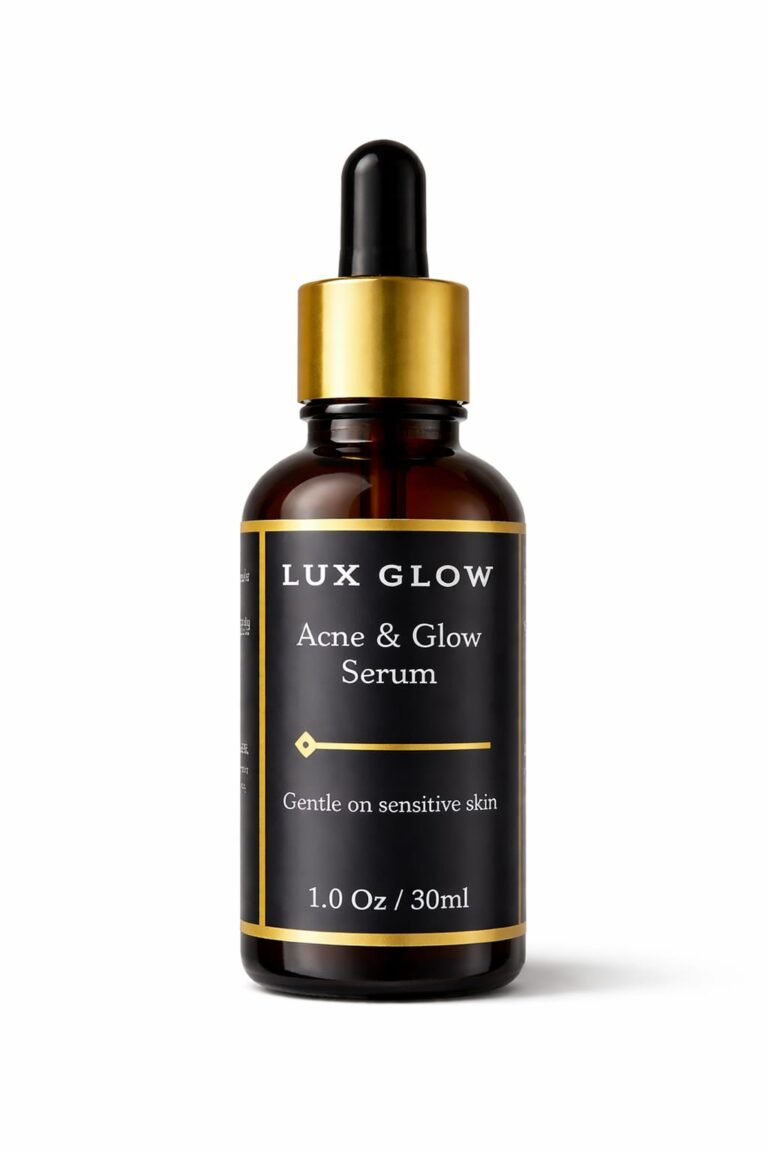
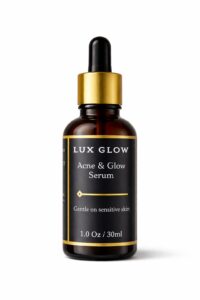
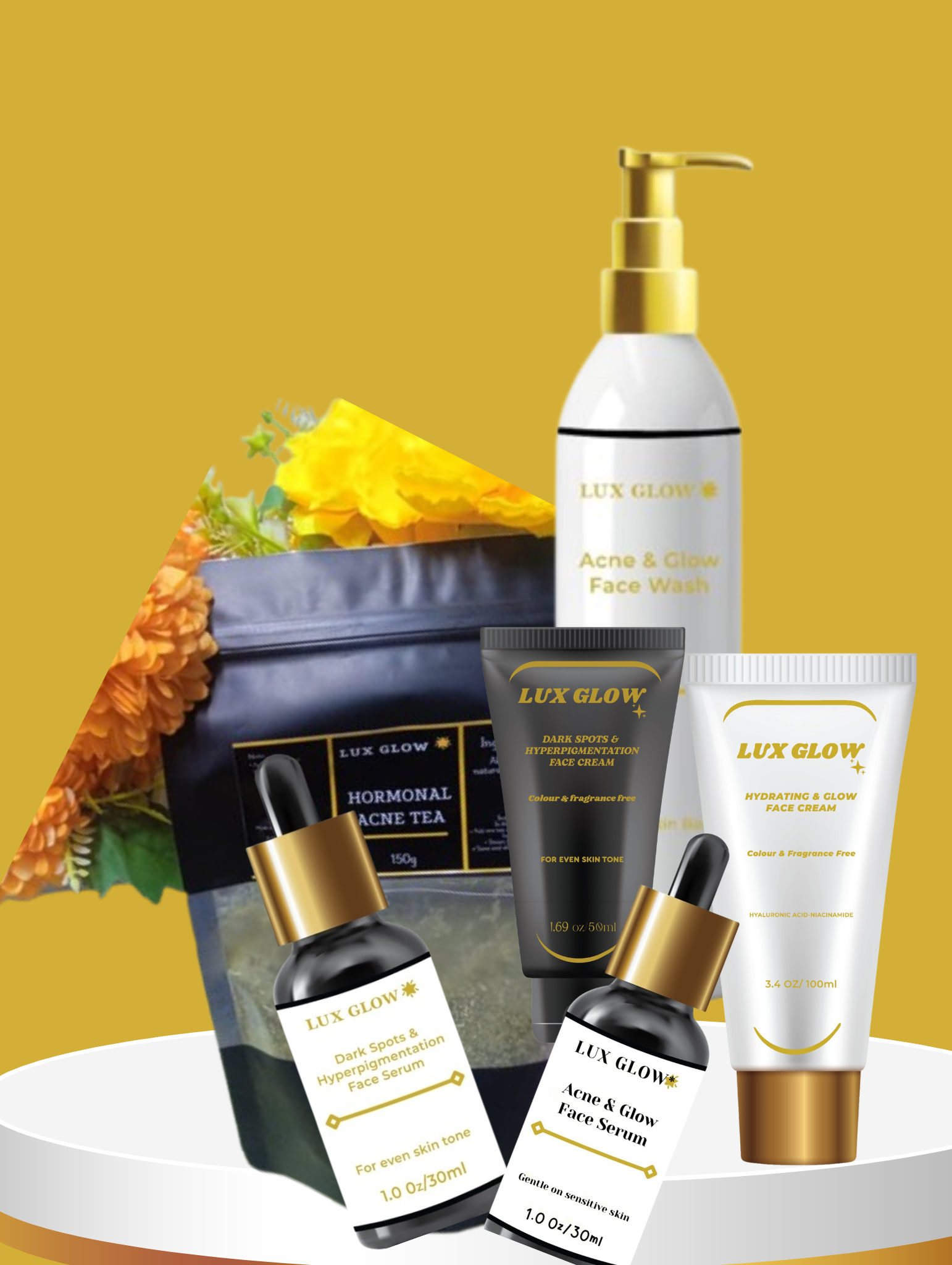
Get the breakouts under control first, or at least at the same time. Our Acne and Glow Face Wash and Acne & Glow Face Serum are built for that job.
Sunscreen is the treatment, not an extra
UV drives melanin production directly. An existing dark spot exposed to sun gets darker, and it gets darker faster than the surrounding skin. You can use every brightening ingredient available and see almost nothing if you skip this step.
This holds in Kenya specifically. We sit close to the equator at altitude, which means high UV year-round. Cloud cover and cool weather do not mean low UV. Daily sunscreen, reapplied when you are outdoors for long stretches, is the single highest-return habit for anyone treating pigmentation.
What actually fades pigment
Ingredients with real evidence behind them:
- Vitamin C interrupts melanin synthesis and offers some antioxidant protection during the day
- Niacinamide blocks pigment transfer to skin cells, and is well tolerated by most people
- Alpha arbutin and kojic acid slow the enzyme that produces melanin
- Gentle exfoliating acids clear pigmented cells from the surface faster
- Retinoids speed cell turnover, though they need careful introduction on sensitive skin
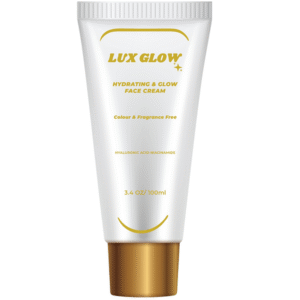
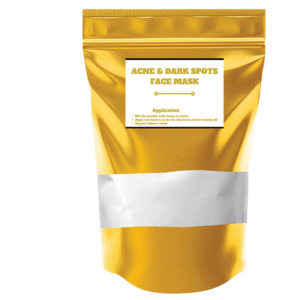
Our Dark Spots and Hyperpigmentation Cream targets existing marks, and the Acne, Dark Spots and Hyperpigmentation Face Mask works on congestion and pigment together. Follow with a moisturiser. The Hydrating and Glow Cream keeps the barrier comfortable while actives do their work.
A word on skin lightening
Products containing mercury, unregulated strengths of hydroquinone or high-dose steroids are widely sold and genuinely dangerous. Mercury damages kidneys and the nervous system. Potent steroids thin the skin, cause stretch marks and produce a rebound darkening worse than what you started with. Steroid-damaged skin is one of the harder problems a dermatologist sees.
Treating a specific dark patch is a different goal from lightening your overall complexion, and the second one is not what a good routine is for.
Timelines, honestly
Surface pigment responds in eight to twelve weeks with consistent use and daily sun protection. Deeper dermal pigment takes six months or longer. Anything promising results in a week is either an exfoliant giving you temporary brightness or is not telling you the truth.
Photograph your skin monthly in the same spot and the same light. Day to day you will see nothing. Across three months the difference is usually clear.
When to get help
See a dermatologist if patches are spreading rather than fading, if pigment appeared without a preceding breakout or injury, if you have used a lightening cream and stopped and the skin has darkened or thinned, or if a mark is raised, changing shape or bleeding. That last one needs looking at promptly.
General information only, not medical advice. Patch-test new products on your inner forearm for a few days before applying to your face.